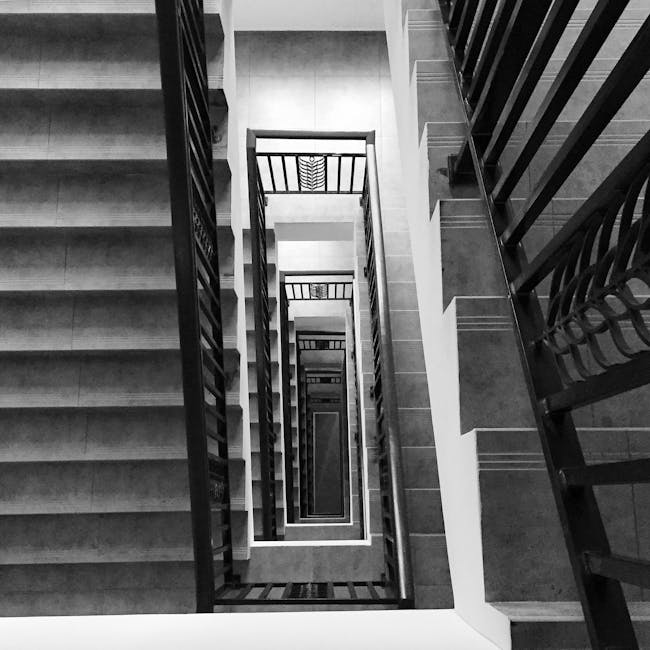
Roehampton Tenement Move: Tight Staircase Success Story
Moving out of a Roehampton tenement is rarely a straight line. Narrow landings, awkward turns, old banisters, and stairwells that seem to shrink the moment a mattress appears can turn a simple move into a full-scale puzzle. The good news? A Roehampton Tenement Move: Tight Staircase Success Story is absolutely possible with the right planning, the right kit, and a crew that understands how to work carefully in tight London spaces.
This guide breaks down what makes these moves difficult, how professionals handle them, and what you can do to keep the day calm. Whether you are moving a sofa, a bed frame, or the whole flat, the details matter. Truth be told, they matter more than most people expect.
And yes, there is a way to do it without scraping the walls or losing half an afternoon to a stubborn corner.
Table of Contents
- Why Roehampton Tenement Move: Tight Staircase Success Story Matters
- How Roehampton Tenement Move: Tight Staircase Success Story Works
- Key Benefits and Practical Advantages
- Who This Is For and When It Makes Sense
- Step-by-Step Guidance
- Expert Tips for Better Results
- Common Mistakes to Avoid
- Tools, Resources and Recommendations
- Law, Compliance, Standards, or Best Practice
- Options, Methods, or Comparison Table
- Case Study or Real-World Example
- Practical Checklist
- Conclusion
- Frequently Asked Questions
Why Roehampton Tenement Move: Tight Staircase Success Story Matters
Roehampton has a mix of homes and conversions where access is not always generous. Older tenements and walk-up buildings can have compact stairs, sharp bends, and narrow hallways that make moving day feel much larger than the flat itself. If you have ever stood at the bottom of a staircase with a wardrobe and thought, there is no way that fits, you are not alone.
This matters because access problems affect almost every part of the move: time, cost, safety, and the risk of damage. A move through a tight staircase is not just about strength. It is about angles, sequencing, communication, and patience. In our experience, the smoothest moves are the ones where people stop trying to force things and start planning around the building.
There is also a local reality here. In Roehampton and wider SW15, parking, shared entrances, and nearby traffic can all add pressure. A short loading window can vanish fast if the route is not thought through. That is why a staircase-heavy move needs a slightly different approach from a standard house removal.
Key takeaway: a successful tight-staircase move is usually won before the first box is carried. That sounds dramatic, but it is true.
How Roehampton Tenement Move: Tight Staircase Success Story Works
The process starts with a realistic assessment of the building. A good mover will look at stair width, ceiling height, turns, banisters, door swing, and whether large items can be angled safely. You do not need a tape measure for every item, but you do need a clear sense of what will fit, what should be dismantled, and what may need an alternative route.
A typical tight-staircase move works in stages:
- Survey the access. Measure large furniture and check every pinch point, especially on corners and landings.
- Sort the load. Decide what is going first, what needs dismantling, and what can be carried flat or upright.
- Protect the property. Walls, banisters, floors, and doorframes are vulnerable in narrow stairwells.
- Assign roles. One person leads, one steers, and one watches clearances. Simple, but very effective.
- Use the right carry method. Sometimes a sofa goes on its end. Sometimes it must be lifted level. There is no universal rule, annoyingly.
- Keep the route clear. Boxes should not pile up on landings or block the next move.
The best teams keep communicating the whole time. Not in a noisy, over-the-top way. Just clear, calm callouts: stop, tilt, lift, rotate, pause. Small words prevent big mistakes.
If there is lift access somewhere else in the building, or if larger items need to be moved by an alternate route, that is decided early, not halfway through the day with everyone standing around and someone saying, "we'll just see." That phrase has caused enough problems already.
Key Benefits and Practical Advantages
A successful move through a difficult staircase is about more than getting furniture downstairs. Done well, it saves time, reduces damage, and keeps stress under control. It also means fewer surprises when you arrive at the new place and still have energy left to unpack.
- Less damage risk: Careful handling lowers the chance of scuffed paint, chipped plaster, and scratched furniture.
- Faster progress: A planned staircase move avoids unnecessary backtracking and awkward reshuffling.
- Lower physical strain: Using correct lifting technique matters, especially with bulky or heavy items.
- Better control in shared spaces: Narrow landings and communal entrances stay clearer and safer.
- More predictable timing: A move that is planned around access is easier to schedule and manage.
There is also a quieter benefit that people often overlook: confidence. Once you know the route, the order, and the load plan, the whole day feels less chaotic. That calm feeds into better decisions. Simple, really.
For people relocating from smaller flats or older buildings, this can be the difference between a move that drags on and one that feels surprisingly smooth.
Who This Is For and When It Makes Sense
This approach is for anyone moving from a property where access is tight, awkward, or limited. It is especially useful if your building has narrow stairs, no lift, awkward corners, or furniture that has to be carried carefully through shared spaces.
It makes sense if you are:
- moving from a tenement-style flat or older conversion
- taking out large furniture like wardrobes, sofas, beds, or appliances
- moving on a tight schedule and cannot afford delays
- concerned about damage to walls, bannisters, or possessions
- handling a move with children, older relatives, or neighbours nearby
It also makes sense if you are trying to compare removal options. A small flat can still need a surprisingly organised crew. A "small move" is not always a simple one, especially in a building where the staircase behaves like a narrow maze.
To be fair, some people only realise this after the first item gets stuck halfway down. Better to plan early.
Step-by-Step Guidance
If you want the move to go well, treat it like a sequence rather than a rush. That mindset alone helps a lot.
1. Walk the route before moving day
Start from the front door and move all the way to the street or vehicle loading point. Look for tight corners, low ceilings, wet flooring, or anything that could catch a corner of a wardrobe or mattress. If you can take quick photos, even better. They help you think clearly later.
2. Measure the largest items
Do not guess. Measure the widest and tallest items, especially sofas, bookcases, wardrobes, mattresses, and fridges. Compare those measurements against the staircase and door openings. If an item is borderline, plan for dismantling or a different carry method.
3. Decide what can be dismantled
Flat-pack furniture, bed frames, and modular storage often move better when broken down. Keep screws, fittings, and small parts in labelled bags. One tiny bag can save a lot of frustration later. Ask anyone who has searched a carpet for a single bolt at 8 p.m.
4. Pack in a staircase-friendly order
Boxes should be packed by weight and fragility, not by random chance. Heavy boxes first, fragile boxes clearly marked, and items needed at the new place should be easy to reach. If you need help with the packing side, services like packing and unpacking support can make the whole process far less messy.
5. Protect the building
Use covers, blankets, or wraps where needed. In narrow buildings, even a small bump can mark paintwork. Good movers think about the property as much as the furniture. That is part of the craft, really.
6. Assign the heaviest or trickiest item to the calmest hands
Not necessarily the strongest person. The calmest person, the one who listens and does not rush. That role matters more than people think when a sofa has to pivot around a landing by a few stubborn inches.
7. Load the vehicle in the right order
Once items are outside, they should be loaded so the most useful pieces are accessible first at delivery. If you are using a van or truck, make sure the load is balanced and secured. A well-planned man and van service can be a smart fit for smaller or more access-heavy moves.
8. Recheck the route at the new property
People often focus so much on getting out that they forget the arrival route. The staircase at the new place may be just as awkward. It sounds obvious, but moving day has a way of making obvious things disappear.
Expert Tips for Better Results
Here is where a bit of experience saves real time.
- Pre-pack the stairwell load: Keep the first few items you need to move together near the exit so there is no delay once the team starts.
- Use soft protection on edges: A blanket tucked around a sharp corner can prevent a scuff that would otherwise be hard to ignore later.
- Remove doors if needed: Sometimes a door makes a move harder than the furniture itself. Simple fix, big difference.
- Keep one person in charge: Too many voices can confuse the lift, especially on corners.
- Plan for breaks: Small pauses are better than one big mistake. Fatigue changes judgement.
Another useful tip: if you know a large item is going to be awkward, talk through the movement before lifting. Two minutes of discussion can save twenty minutes of wrestling. It is not glamorous, but it works.
If your move also involves collecting furniture or dropping off items for reuse, a service like furniture pick up can help when you need some pieces removed separately instead of forcing everything into one route.
Expert summary: the best tight-staircase moves are not the most forceful ones. They are the ones where the team slows down just enough to stay accurate. Speed comes from control, not from rushing.
Common Mistakes to Avoid
Most problems in staircase moves are predictable. That is the frustrating part, and also the useful part, because predictable problems can be avoided.
- Not measuring first: Guessing almost always leads to awkward turning, damage, or delays.
- Forcing oversized furniture: If it needs a different route or dismantling, forcing it is usually the wrong call.
- Ignoring parking or loading access: A perfect interior plan means little if the vehicle cannot stop close enough.
- Packing boxes too heavy: Dense boxes are hard to carry on stairs and more likely to drop.
- Leaving loose fittings behind: Bits and screws disappear fast in the middle of a move.
- Underestimating time: Tight access often takes longer than a straightforward ground-floor move.
One more mistake worth mentioning: trying to do too much yourself, too soon. There is a temptation to save time by lifting first and asking questions later. Usually that backfires. Sometimes spectacularly. Best not to be a hero on a stairwell.
Tools, Resources and Recommendations
You do not need a warehouse full of equipment, but a few practical tools make a huge difference in a tight-space move.
| Tool or Resource | Why It Helps | Best Use Case |
|---|---|---|
| Furniture blankets | Protect walls, doors, and items from scuffs | Sofas, tables, wardrobes, stairwell corners |
| Ratchet straps | Secure loads in the van or truck | Large items during transport |
| Hand trolley or dolly | Reduces carrying strain where terrain allows | Boxes and sturdy appliances |
| Labelled bags for fittings | Keeps small parts together | Flat-pack furniture, beds, shelving |
| Moving gloves | Improves grip and handling comfort | Heavy or awkward items |
For planning the route and vehicle side, it helps to compare your transport options carefully. A smaller job may suit man with van support, while larger, more structured moves may need a proper removal vehicle or even removal truck hire. There is no one-size-fits-all answer. The building decides quite a lot for you.
If you are trying to keep the budget sensible, reading about real removal costs in Roehampton SW15 can help you understand what usually affects pricing. Access, labour, and timing all tend to matter.
Law, Compliance, Standards, or Best Practice
When a move involves tight stairs, shared access, parking, or potential obstruction, best practice matters even if the job itself is fairly ordinary. You do not need a legal lecture, but you do need to respect the building, the neighbours, and the basic rules that keep everyone safe.
In London, parking and loading can be affected by local restrictions, and some buildings have their own management rules for access, lift use, or common areas. If you are unsure, check ahead rather than assuming it will be fine on the day. That simple step avoids a lot of awkward conversations.
Health and safety common sense applies too: clear pathways, lift with care, use enough people for the weight involved, and do not carry an item if it blocks your view entirely. A narrow stairwell is not the place to "just wing it."
For some properties, especially older or protected buildings, extra care may be needed around fixtures, finishes, and access permissions. If you are moving from a building with more complicated access arrangements, this can be especially relevant. It is also worth checking guidance if you are handling disposal or unwanted furniture, because local waste rules can be stricter than people expect. If that is on your list, see the guidance on Wandsworth furniture disposal rules.
Best practice, in plain English, means planning ahead, protecting the property, and not treating shared areas like a private loading bay. Fairly basic. Very important.
Options, Methods, or Comparison Table
Not every move through a tight staircase needs the same method. The right choice depends on item size, urgency, and how much physical access you actually have.
| Method | Best For | Pros | Trade-offs |
|---|---|---|---|
| Careful manual carry | Smaller items, boxes, lighter furniture | Flexible, efficient, low equipment need | More labour, slower for bulky items |
| Disassembly and reassembly | Wardrobes, bed frames, shelving | Fits tighter spaces, lowers damage risk | Takes planning and time |
| Specialist vehicle-based move | Mixed loads, longer transport, larger volumes | Better for organised loading and protection | Needs suitable parking and access planning |
| Combined packing and removal service | Busy households, last-minute moves | Saves time and reduces stress | Usually more expensive than doing it yourself |
If your move is time-sensitive, you may also be weighing up same-day versus planned arrangements. A useful comparison is explained in same-day vs scheduled moves in Roehampton. That decision can make a real difference when access is tight.
For many people, the sweet spot is a hybrid approach: dismantle the awkward things, carry the manageable items, and keep the van loading organised. Not glamorous, but very effective.
Case Study or Real-World Example
Here is a realistic example based on the kind of move people often face in Roehampton.
A tenant in a top-floor tenement-style flat needed to move out at short notice. The staircase was narrow, the corners were tight, and there was one particularly stubborn landing that made the sofa look twice its actual size. The flat itself was not large, but the access made the move feel complicated from the start.
The team began by checking the route and identifying the largest items: a sofa, a bed frame, a mattress, a chest of drawers, and several packed boxes. The bed frame was dismantled early. The sofa was measured against the stair turns and wrapped to protect the corners. Boxes were grouped by weight so the heaviest ones did not need to be carried late in the day when everyone was tired.
There was one moment-there is always one moment-when the sofa looked too wide for a bend. Instead of forcing it, the team paused, changed the angle, and carried it on an edge for a short section before resetting at the landing. That small adjustment solved the problem cleanly.
The move finished without damage to the building, and the client avoided the kind of last-minute stress that usually comes with awkward access. The important part was not luck. It was preparation, calm handling, and a plan that respected the building rather than arguing with it.
That is what a genuine success story looks like. Not flashy. Just smooth, sensible, and finished on time.
Practical Checklist
Use this checklist before moving day. It is simple, but it catches a lot of avoidable issues.
- Measure stairs, landings, doors, and the largest furniture pieces
- Confirm whether any items need dismantling
- Label boxes by room and weight
- Separate fragile items clearly
- Check parking and loading access at both addresses
- Protect floors, walls, and banisters where needed
- Keep tools, screws, and fittings in one clearly marked place
- Plan the order in which items will leave the property
- Make sure someone knows which item is the most awkward one
- Allow extra time for narrow staircases and careful carrying
- Keep water, gloves, and basic essentials close by
- Confirm the new property access route before arrival
Practical reminder: if you can reduce one awkward item by dismantling or re-routing it, do that first. Small wins add up quickly.
Conclusion
A Roehampton tenement move with a tight staircase is not something to fear. It is something to plan for properly. Once you understand the access, choose the right method, and keep the day organised, the whole process becomes much more manageable. The best moves are rarely the fastest-looking ones at the start; they are the ones that keep everyone calm, careful, and moving with purpose.
If you are facing a narrow-staircase move in Roehampton, take the time to measure, sort, and simplify. That extra effort usually pays off in less damage, less stress, and a far better moving day. And let's face it, that is what most people really want.
Get a free quote today and see how much you can save.
With the right preparation, even the tightest staircase can become part of a success story worth repeating.
Frequently Asked Questions
What makes a Roehampton tenement move harder than a normal house move?
The main issue is access. Tight staircases, narrow landings, shared entrances, and awkward turns make bulky items harder to carry safely. The move may not be huge in volume, but it can still be technically tricky.
Can a sofa usually fit through a narrow staircase?
Sometimes yes, sometimes no. It depends on the sofa's dimensions, the staircase width, the number of turns, and whether the item can be tilted or partially disassembled. Measuring first is the safest approach.
Should I dismantle furniture before moving out of a tenement flat?
If the item is large or awkward, dismantling usually helps. Bed frames, shelving, and some wardrobes are much easier to move in parts. Keep all fittings together in labelled bags so reassembly does not become a scavenger hunt.
How do movers protect walls and banisters in tight stairwells?
They typically use blankets, wraps, and careful handling techniques. The key is to control the item on every corner and landing, not just to carry it quickly. Protection is much easier than repair.
Is a man and van service enough for a staircase-heavy move?
It can be, especially for smaller loads or simpler moves. For larger or more complicated access, you may need a more structured removal setup. The right choice depends on the furniture, timing, and how difficult the access really is.
How long does a tight-staircase move usually take?
It often takes longer than people expect. Time depends on the number of items, the amount of dismantling, parking, and how carefully the property must be protected. A little buffer time is wise.
Do I need to arrange parking in advance in Roehampton?
It is a very good idea. Parking and loading access can affect the whole move, especially in busy streets or where stopping space is limited. Checking ahead avoids unnecessary delays.
What should I pack first for a move with difficult stairs?
Pack low-priority items first and keep essentials separate. Heavy boxes should be packed sensibly, not overloaded, because they are harder to carry down stairs. Labeling helps far more than most people think.
What is the biggest mistake people make with staircase moves?
Trying to force oversized furniture through without measuring or planning. That usually leads to damage, delays, or both. A small pause before lifting can save a lot of trouble later.
Can I move appliances down a narrow stairwell safely?
Sometimes, but only if the item is suitable, the route is clear, and enough people are available to control it. Heavy appliances can be awkward and risky, so caution matters. If in doubt, get a proper assessment.
Are there any special rules for older or shared buildings in Roehampton?
Often there are building-specific access rules or practical expectations around shared spaces. You should also be aware of local parking and disposal considerations. If something feels uncertain, it is better to check than assume.
Is it worth using packing support for a move like this?
Yes, especially if you are already dealing with a difficult staircase, limited time, or a lot of fragile items. Packing support can reduce pressure and make loading far more efficient. That kind of help often pays for itself in saved stress alone.
Moving through a narrow stairwell is rarely glamorous, but when it is done well, it feels quietly satisfying. A bit of planning, a bit of patience, and the right hands in the right places-that is usually enough to turn a stressful day into a good story.